
Gym tracker app FAQ: the questions people ask before they switch
Short answers on offline use, accounts, Pro, imports, export, watch apps, voice commands and privacy, for anyone choosing a strength-training log.
Short answers to the questions people ask before and after a session, written the way the app talks: precise, no hype.
Short answers on offline use, accounts, Pro, imports, export, watch apps, voice commands and privacy, for anyone choosing a strength-training log.
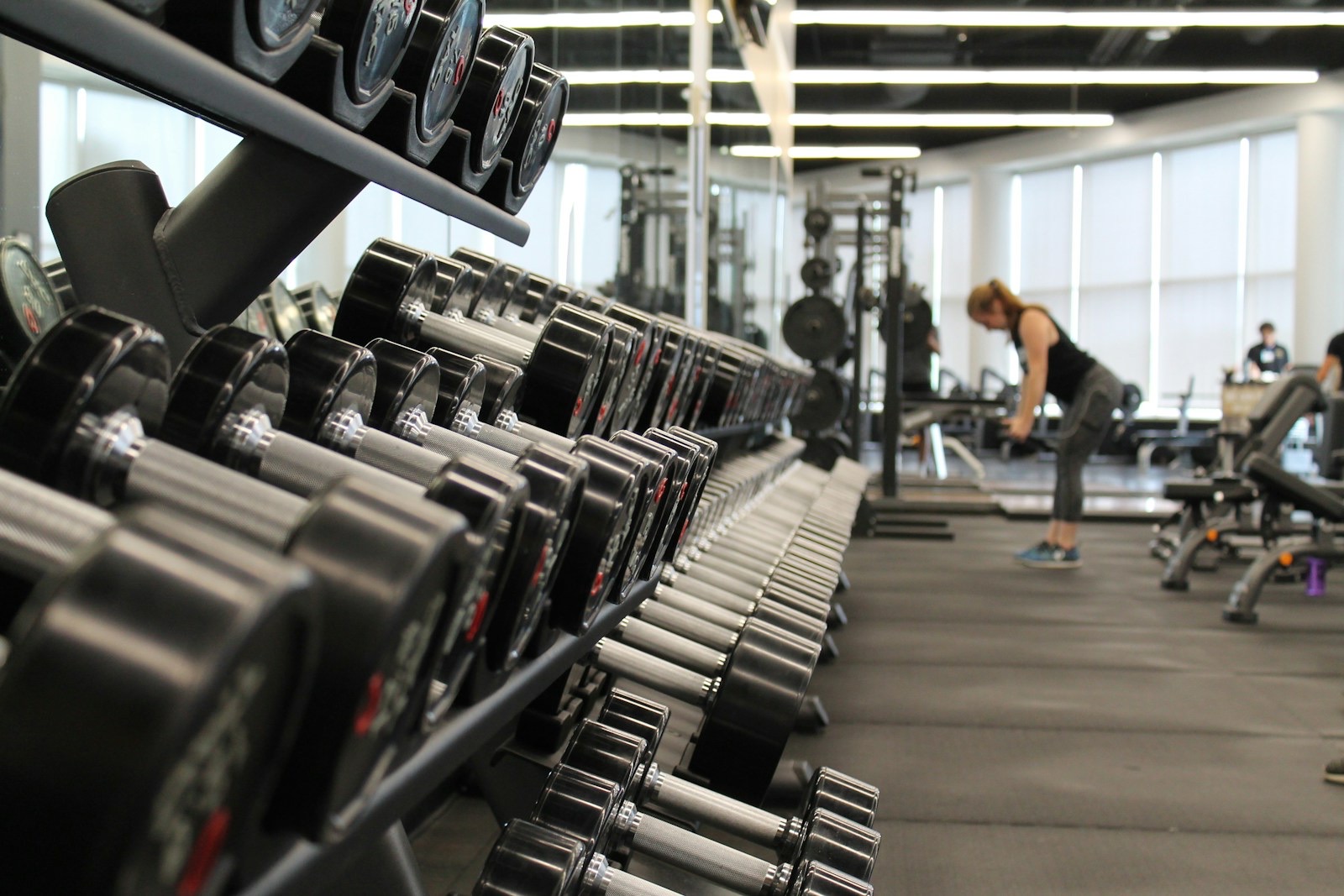
Log exercise, load, reps, set type and effort for every set, plus one note when something was off. Review weekly and ask if load or reps rose at the same RPE.

Train three days a week with six movements: squat, hinge, push, pull, an overhead or vertical move and a core exercise. Add weight when every set is done.
Multiply the weight by (1 + reps/30) for an Epley estimate of your one-rep max. It holds within a few percent for 2-10 reps and drifts beyond that.

Progressive overload means asking more of a muscle over time. Add load, reps, sets, range or tempo, or cut rest, and change one lever at a time.
Rest 2-5 minutes for strength, 1-3 minutes for hypertrophy and 30-60 seconds for endurance. Longer rests protect load on heavy compound lifts.

Most lifters grow well on 10 to 20 hard sets per muscle per week. Beginners do well near 10. Here is what counts, how to split it and when to change it.

RPE rates how hard a set was from 1 to 10. RIR counts the reps you had left. They are the same scale, and most working sets should sit at RPE 7 to 9.
Export from the old app first, import with care, check three workouts, then run both apps for two weeks. A checklist for moving your training log.
Push, pull, legs sorts training into three days by movement: chest, shoulders and triceps; back and biceps; then legs. Run it three or six days a week.